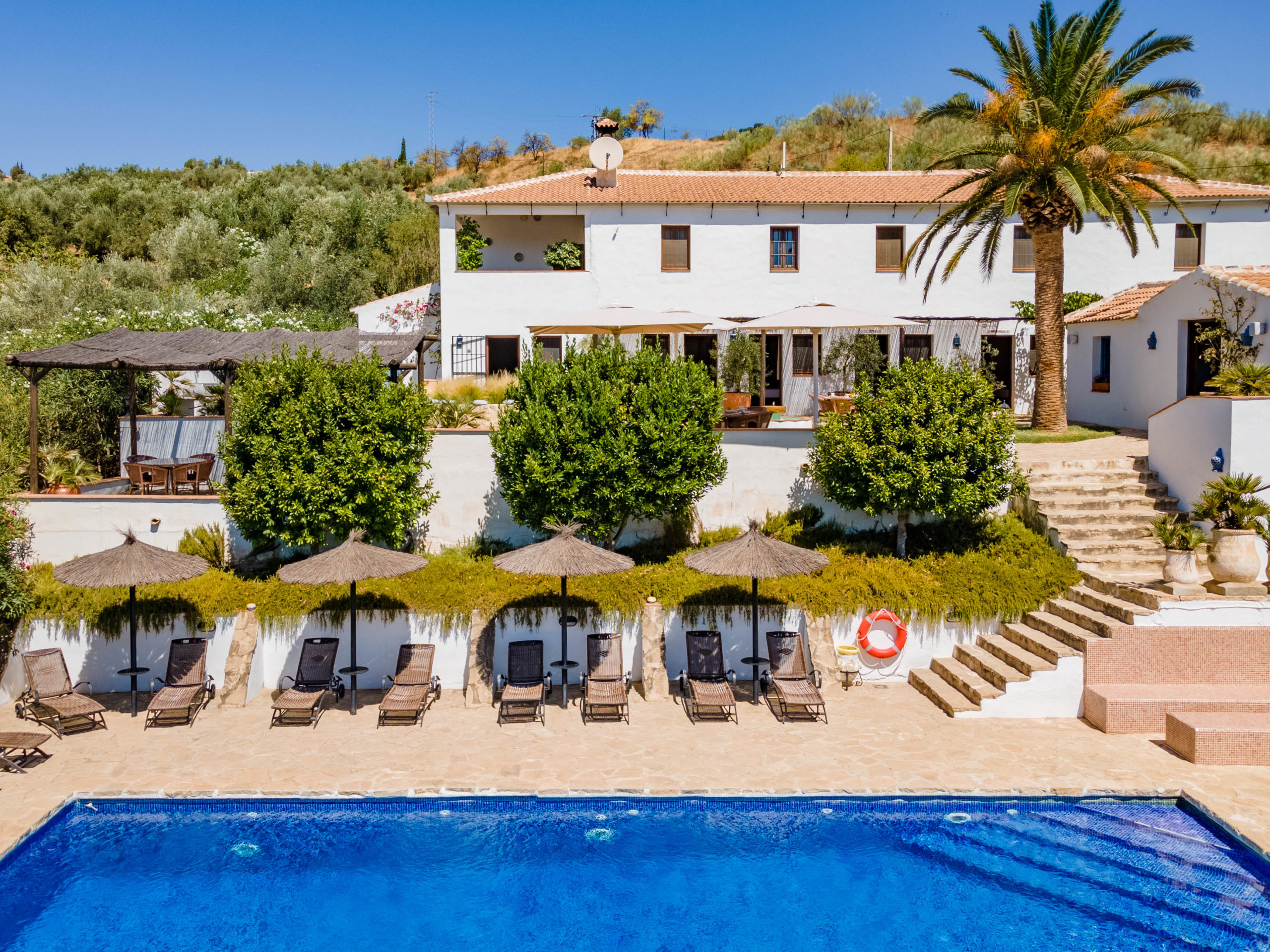
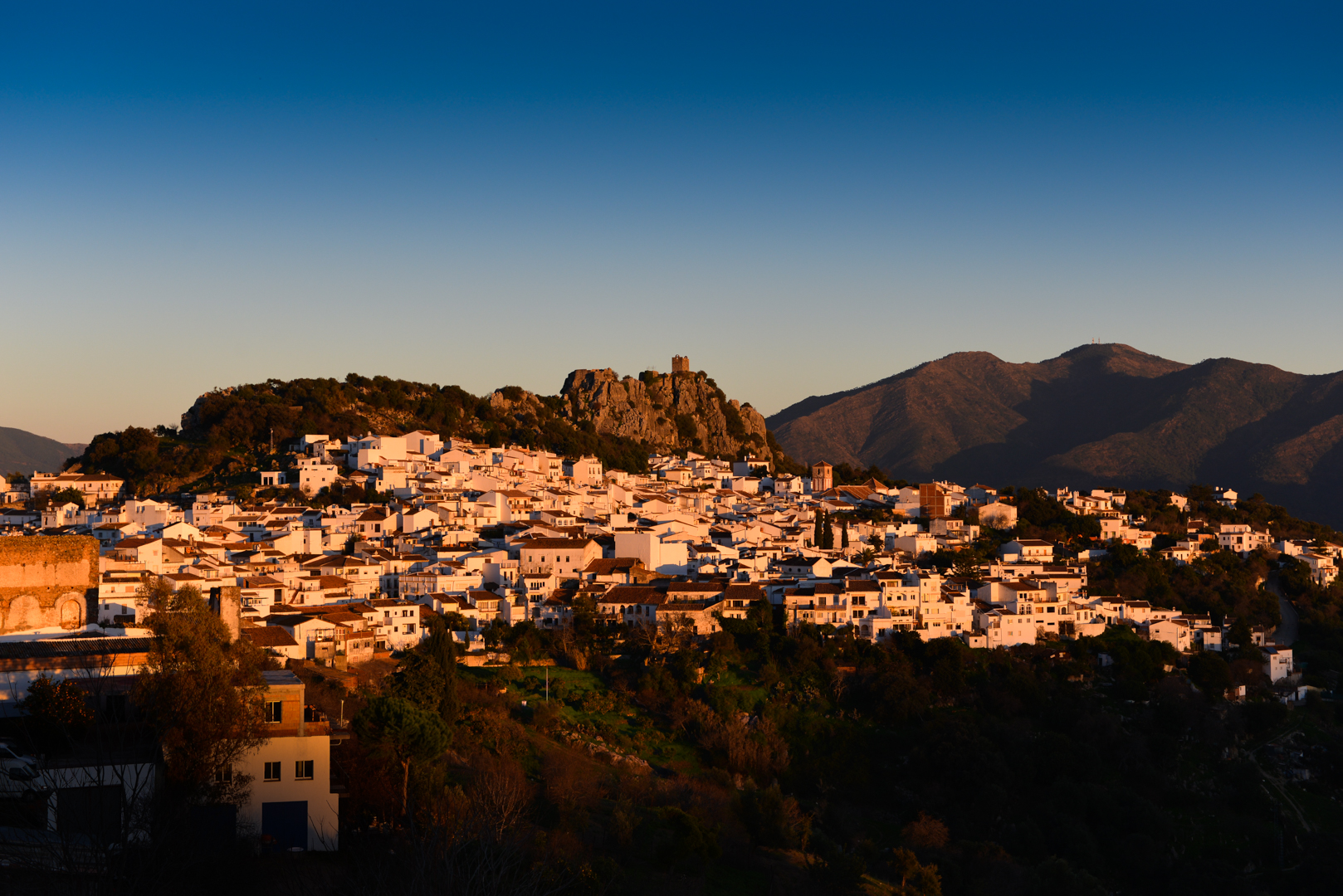
Picture this: you're sipping morning coffee on your terrace, overlooking olive groves that stretch toward the Sierra Nevada mountains. The Spanish sun warms your face, and for the first time in decades, you feel truly at peace. This dream may seem closer to reality than you think, but here's what many retirees don't realize until they're knee-deep in paperwork: securing planning permission in Andalusia can make or break your country house project. The region's complex zoning laws, environmental protections, and municipal regulations create a landscape that's both opportunity-rich and minefield-laden. Understanding these requirements isn't just helpful—it's absolutely essential for anyone serious about building their retirement sanctuary in southern Spain's most captivating region.
Understanding Andalusia's Planning Framework
Andalusia operates under a multi-layered planning system that can initially appear overwhelming, but becomes manageable once you grasp the key players involved. The regional government sets overarching policies, while individual municipalities handle day-to-day planning decisions through their Planes Generales de Ordenación Urbana (PGOU). These local urban planning documents essentially serve as blueprints for what can be built where, and they vary dramatically from one town to another. Some coastal municipalities have become increasingly restrictive following decades of overdevelopment, while inland areas often welcome thoughtful residential projects that respect traditional architecture. What surprised me during my years helping clients navigate this process is how much influence local mayors wield in smaller pueblos—they can expedite applications or create unexpected delays based on their vision for community development. The key lies in understanding that planning permission isn't just about meeting technical requirements; it's about demonstrating how your project aligns with local priorities and cultural values.
Rural Land Classifications and Building Rights
Not all countryside plots are created equal in Andalusia, and this distinction can cost you thousands if misunderstood from the start. Land classifications fall into several categories: Suelo Urbano (urban land), Suelo Urbanizable (developable land), and Suelo No Urbanizable (non-developable rural land). Most country house aspirations involve the latter category, where building rights are severely restricted but not impossible to obtain. The magic number you'll hear repeatedly is 10,000 square meters—the minimum plot size typically required for new construction on rural land. However, recent changes in some provinces have increased this to 20,000 or even 30,000 square meters, particularly in areas with water scarcity concerns. Agricultural land presents another layer of complexity, as converting it for residential use requires proving the farming activity is no longer viable—a process that can take years. My advice? Always verify land classification through the local cadastral office before making any purchase commitments, regardless of what the seller claims about building potential.
Land Classification Decision Tree
Your Plot Location
Check municipal classification first!
Suelo Urbano
Urban Land
Easiest to build
Infrastructure included
Limited availability
Higher cost
Suelo Urbanizable
Developable Land
Moderate complexity
May require contributions
Future development planned
Suelo No Urbanizable
Rural Land
Strict limitations
Large plots required
Special permits needed
Lower land cost
Pro Tip:
Always verify land classification at the municipal planning office before purchasing. Many beautiful rural plots cannot legally accommodate new construction.
The Application Process: Step-by-Step Navigation
The planning permission journey begins with a pre-application consultation that many buyers skip, though it may save months of frustration later. This informal meeting with municipal planning officers helps identify potential issues before you invest in expensive architectural drawings. Next comes the formal application, which requires a surprisingly extensive documentation package: topographical surveys, architectural plans, environmental impact assessments, and proof of water rights, among others. Processing times vary wildly—I've seen straightforward applications approved in three months, while others languish for over a year due to environmental objections or neighbor complaints. The trick lies in anticipating potential objections early. Does your proposed house overlook a neighbor's property? Are you building near protected wildlife corridors? Addressing these concerns proactively in your application documents significantly improves approval odds. Remember, Spanish bureaucracy rewards thoroughness over speed, so invest time upfront rather than scrambling to provide missing documents later when deadlines loom.
Municipal Approval Process
1
Initial Submission
Complete application with all documents
2
Administrative Review
2-4 weeks: Document completeness check
3
Technical Assessment
6-12 weeks: Plans reviewed by municipal architects
4
Public Consultation
30 days: Neighbor notification period
5
Final Committee Review
4-8 weeks: Municipal committee decision
Working with Local Architects and Engineers
Choosing the right local architect isn't just about design aesthetics—it's about finding someone who understands the intricate dance between your vision and regulatory reality. Spanish architects must be registered with their regional Colegio de Arquitectos, but beyond this basic requirement, experience with rural planning applications becomes crucial. The best architects maintain relationships with municipal planning departments and can often predict which designs will sail through approval versus those likely to face resistance. They also understand regional architectural traditions, which increasingly influence planning decisions as municipalities seek to preserve local character. Don't overlook the importance of your structural engineer either—their calculations must comply with Spanish building codes, particularly seismic requirements that many foreign buyers underestimate. I always recommend interviewing at least three architectural firms, asking specifically about their recent rural planning successes and their approach to environmental compliance. The cheapest option rarely proves most economical when planning delays and redesign costs are factored in.
Planning Permission Timeline
1-2
Months 1-2
Document Preparation
Architect designs, surveys completed, all documentation gathered
3
Month 3
Application Submission
Formal submission to municipal planning office with all required documents
4-6
Months 4-6
Technical Review
Municipal architects and engineers review plans. Requests for modifications common.
7-8
Months 7-8
Public Notification
30-day period for neighbor objections. Building good community relations is crucial.
9-12
Months 9-12
Final Decision
Municipal approval or requests for final modifications. Construction license issued.
Reality Check:
While official timelines suggest 2-3 months, realistic expectations should allow 6-12 months. Complex rural projects often take longer.
Environmental Considerations and Restrictions
Andalusia's environmental protections have tightened considerably in recent years, partly due to EU directives and partly from hard-learned lessons about unsustainable development. Your dream plot might sit within or adjacent to a Natura 2000 protected area, where building restrictions can be absolute. Even outside these zones, environmental impact assessments scrutinize everything from groundwater effects to wildlife migration patterns. Water availability deserves particular attention—many rural areas face chronic shortages, and new developments must prove adequate supply without depleting existing resources. Solar orientation, energy efficiency standards, and waste management systems all factor into planning decisions now. What's interesting is how these requirements actually align with many retirees' preferences for sustainable, off-grid living. Properties incorporating renewable energy, rainwater harvesting, and native landscaping often receive more favorable treatment from planning committees. The environmental review process adds 2-3 months to typical timelines, but approaching it as an opportunity rather than an obstacle can differentiate your application positively.
Costs, Timelines, and Realistic Expectations
Let's talk numbers, because planning permission costs extend far beyond the official application fees. Municipal charges typically range from €2,000 to €5,000, depending on project size and complexity. However, professional fees for architects, engineers, surveyors, and legal advisors can easily reach €15,000 to €25,000 before construction begins. Factor in potential delays, design revisions, and additional studies requested by planning committees, and your pre-construction budget should probably include a 30% contingency. Timeline-wise, straightforward applications may achieve approval within 6-9 months, while complex projects involving environmental assessments or neighbor objections can stretch to 18 months or longer. I've learned that clients who enter this process with realistic expectations experience far less stress than those expecting quick approvals. The Spanish planning system prioritizes consensus-building over speed, which can be frustrating but ultimately produces more thoughtful development outcomes. Setting a realistic timeline also prevents rushed decisions that compromise your long-term satisfaction with the final property.
Key Building Requirements in Rural Areas
Minimum Plot Size
10,000-20,000m² typical requirement
Varies by municipality
Larger plots = better approval odds
Building Coverage
Maximum 2-5% of plot area
Includes all structures
Swimming pools often included
Setback Distances
5-10m from boundaries
Larger setbacks for pools
Respect for neighbors' views
Architectural Style
Must match local character
Traditional materials preferred
Height restrictions apply
Common Pitfalls and How to Avoid Them
After years of watching dream projects derail, certain mistakes appear repeatedly among foreign buyers. The most expensive error involves purchasing land without confirming actual building rights—sellers' claims about "guaranteed" planning permission rarely withstand professional scrutiny. Another frequent pitfall involves underestimating neighbor consultation requirements; Spanish law grants adjacent property owners significant input into new developments, and their objections can delay or derail applications entirely. Ignoring local architectural traditions also creates unnecessary friction with planning committees who increasingly value cultural preservation. Perhaps most importantly, many buyers attempt to manage the planning process themselves to save money, not realizing that Spanish bureaucracy rewards local knowledge and professional relationships over DIY approaches. The language barrier compounds these challenges—technical planning documents require precise translation, and misunderstandings can prove costly. Smart buyers invest in qualified local professionals from day one, viewing their fees as insurance against much larger potential losses. Trust me, the peace of mind alone justifies the expense when you're navigating unfamiliar legal and regulatory territory.
Building your dream country house in Andalusia remains entirely achievable for well-prepared retirees who approach the planning process with patience and professional guidance. While the regulatory landscape has become more complex over recent years, it has also become more predictable for those who understand the rules. Success depends largely on thorough preparation, realistic expectations, and assembling the right team of local professionals who can navigate both the formal requirements and informal relationships that influence planning decisions. Remember, this isn't legal or financial advice—every situation carries unique circumstances that require professional evaluation. However, armed with this understanding of the planning permission landscape, you're better positioned to make informed decisions about your Andalusian retirement dream. The key lies in viewing planning permission not as an obstacle to overcome, but as the foundation that ensures your country house project succeeds both legally and practically for years to come.
Essential Documentation Checklist
Registered Architect
Must be registered with local Colegio de Arquitectos
€15,000-€30,000
Topographical Survey
Detailed site measurements and boundaries
€1,500-€3,000
Geological Study
Soil analysis and foundation requirements
€2,000-€4,000
Environmental Impact Assessment
Required near protected areas or water sources
€3,000-€8,000
Archaeological Survey
Common requirement in historically rich Andalucía
€2,000-€5,000
Municipal Application Forms
Specific to each town hall
€2,000-€5,000
Budget Reality:
Total professional fees typically range €25,000-€60,000 before construction begins. This investment is crucial for avoiding costly mistakes.
Frequently Asked Questions
- How long does planning permission typically take in Andalusia? Standard applications usually take 6-9 months, though complex projects involving environmental assessments can extend to 18 months or more.
- What's the minimum plot size for building a country house? Most municipalities require at least 10,000 square meters for rural construction, though some areas have increased this to 20,000-30,000 square meters.
- Can I buy land without existing planning permission? Yes, but you should always verify building rights through official channels before purchase, regardless of seller claims about "guaranteed" approval.
- Do I need a Spanish architect for my planning application? Yes, all architectural drawings must be prepared and stamped by an architect registered with the regional Colegio de Arquitectos.
- What happens if neighbors object to my planning application? Spanish law grants adjacent property owners consultation rights, and their objections can delay or sometimes prevent approval, so early engagement is advisable.
- Are there restrictions on architectural style? Many municipalities increasingly favor designs that respect local architectural traditions, though specific requirements vary by location.
- How much should I budget for the planning permission process? Professional fees typically range from €15,000-€25,000, plus municipal charges of €2,000-€5,000, with a 30% contingency recommended for unexpected costs.
Helpful Resources
For additional information, consider these valuable resources: