A Complete Guide to Buying Property in Andalucía's White Villages | British Retirees
This comprehensive guide explores the property buying process in Andalucías picturesque white villages, specifically tailored for British retirees aged 55-65. The article covers market conditions, legal requirements including NIE numbers and escritura documentation, village selection criteria, financial considerations, and working with local professionals. It provides practical advice on hidden costs, renovation challenges, healthcare access, and community integration while emphasising the importance of realistic expectations and thorough preparation for this significant lifestyle change.
8th September 2025
Reading time: 6 m
Author: Daniel Priestly
That Andalusian Dream: A No-Nonsense Guide to Buying in the White Villages
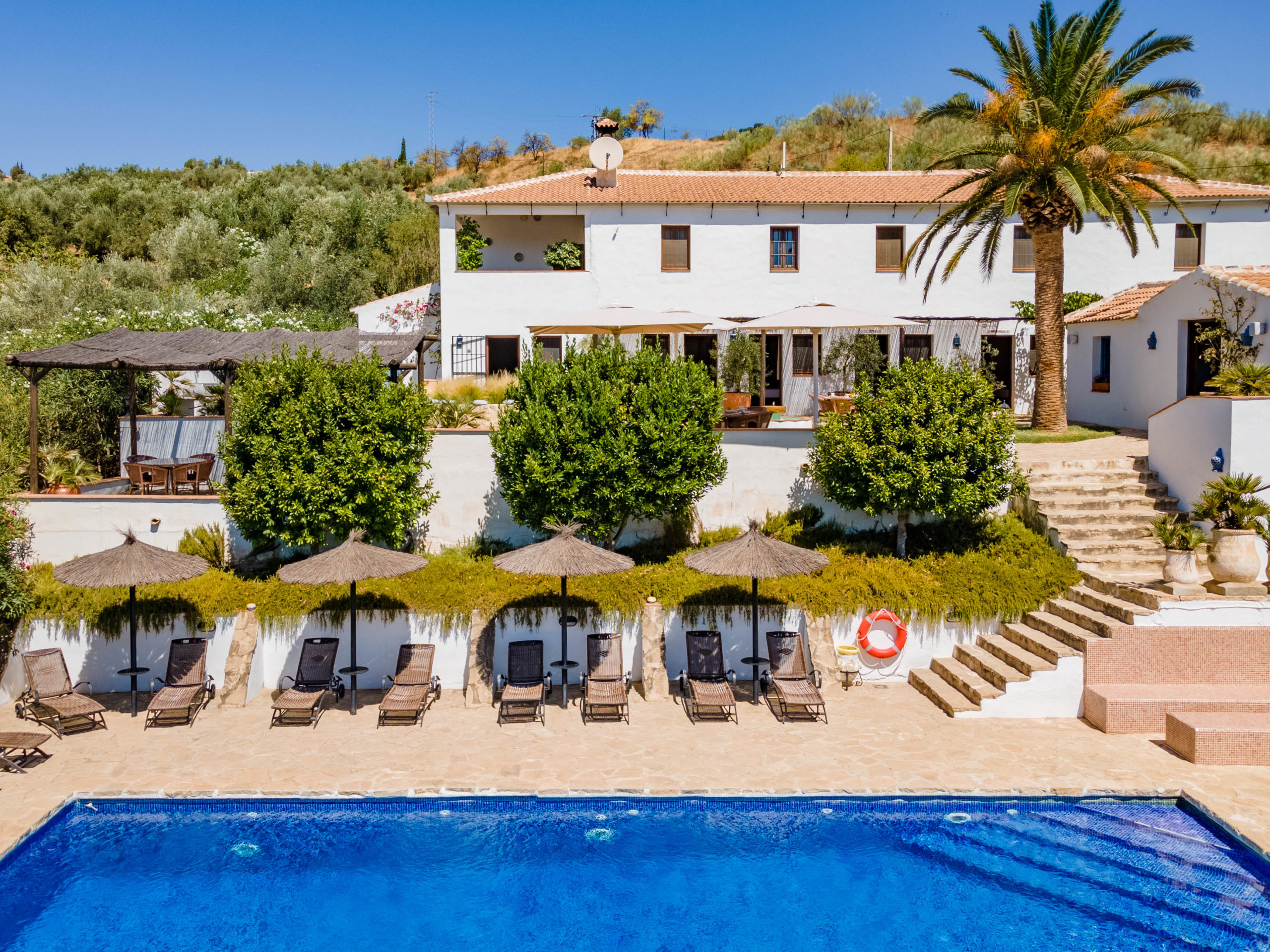
The image is a powerful one, isn't it? A whitewashed village clinging to a mountainside, cobalt-blue pots brimming with geraniums, and the promise of a slower, sun-drenched pace of life. For many approaching retirement, that picture of Andalucia's 'pueblos blancos' feels less like a holiday and more like a destination. I've seen that look in countless clients' eyes. But moving from that delightful daydream to holding the keys to your own Spanish home involves a path. It’s a path with a few administrative hurdles and practical steps, but it's far from insurmountable. This isn't about scaring you off; it's about making you an informed, confident buyer, ready for the reality behind the romance.
First Things First: Your NIE and Getting Your Finances in Order
Alright, before you even start shortlisting properties on Rightmove or Idealista, let's talk about the less glamorous, but frankly essential, first steps. The first piece of jargon you'll encounter is the NIE (Número de Identificación de Extranjero). Think of it as your key to everything official in Spain. You cannot buy a property, open a bank account, or even set up utilities without it. Getting one can be done via a Spanish consulate in the UK or here in Spain. It can take a little time, so it appears sensible to start this process early. Alongside this, have a frank conversation about your finances. It's not just the property price; you'll need to budget for taxes and fees, which can amount to an extra 10-12% on top of the purchase price. Having your funds ready, perhaps already in a currency account, gives you a significant advantage. It signals to sellers that you are a serious buyer and provides a sense of certainty in a process that can sometimes feel ambiguous.
Your Andalusian Property Journey: Key Milestones
Step 1: Get Your NIE
Step 2: Arrange Finances
Step 3: Find Your Home
Step 4: Make an Offer
Step 5: Hire a Lawyer
Step 6: Completion!
The Search: Beyond the Postcard Views
Now for the fun part. The hunt! But even this requires a strategy. A village like Mijas Pueblo offers incredible buzz and is close to the coast, while somewhere more remote like Gaucín might offer breathtaking views but fewer day-to-day amenities. My advice? Spend real time here, if you can. Rent for a few weeks, live like a local, and see how it feels in the quiet of a Tuesday morning, not just on a bustling Saturday afternoon. A charming rustic feature online can sometimes translate to 'needs a new roof' in person. This is where a good agent proves their worth. They should be listening more than they talk, understanding whether you want a 'lock-up-and-leave' apartment or a 'finca' that requires more hands-on attention. This process is about finding a community you can relate to, a place that feels right, giving you the autonomy to choose the lifestyle you've worked so hard for.
From Offer to 'Escritura': The Legal Legwork
You've found the one. What happens next? Typically, you’ll make a verbal offer. If accepted, you’ll be expected to pay a small reservation deposit (perhaps €3,000 to €6,000) to take the property off the market. This leads to the main private purchase contract, the 'contrato de arras', where you'll usually pay 10% of the price. Now, here is possibly the most important piece of advice: hire an independent lawyer ('abogado'). Your agent can recommend professionals, but the choice is yours. Their job is to conduct due diligence, ensuring the property is free of debt, has all its paperwork in order, and that there are no planning disputes. This step is crucial for fairness and peace of mind. Your lawyer's only loyalty is to you. They will guide you through to the final step at the notary's office, where you sign the 'escritura' (the deeds) and officially become a homeowner in Andalucia.
Budgeting for Your Purchase: A Typical Cost Breakdown
Remember to budget for 10-12% on top of the agreed property price.
Property Transfer Tax (ITP)
The largest fee, typically 7% in Andalucia, but check current rates.
Notary Fees
A fixed-scale fee for officiating the 'escritura'. Approx. 0.5% - 1%.
Land Registry Fees
The cost to register the property in your name. Usually slightly less than notary fees.
Legal Fees (Abogado)
For due diligence and legal guidance. Typically around 1% of the purchase price.
Is It Worth the Journey?
The path from dreaming of a home in a white village to actually owning one might seem to have its share of twists and administrative turns. It requires a bit of patience and some solid preparation. But each step is logical, and with the right guidance, it’s a journey that thousands of retirees successfully navigate every year. You are trading a bit of paperwork for a lifestyle that is, for many, priceless. The warmth of the sun is matched only by the warmth of the community, and the initial process soon becomes a distant memory as you sip your first coffee on your own sun-drenched terrace. Absolutely, it seems worth it.
Frequently Asked Questions
What is an NIE and why is it so important?
The NIE (Número de Identificación de Extranjero) is a unique tax identification number for foreigners in Spain. You literally cannot complete any significant transaction, like buying a house, opening a bank account, or setting up utilities, without one. It's best to apply for it as early as possible.
Do I really need an independent lawyer?
In our professional opinion, yes. While not legally mandatory to have one, an independent 'abogado' works exclusively for you. They perform vital checks to ensure the property is debt-free and legally sound, protecting your interests completely. It's an investment in your security and peace of mind.
What are the extra costs on top of the property price?
A good rule of thumb is to budget for 10-12% of the purchase price. This covers the Property Transfer Tax (ITP), which varies by region, plus notary fees, land registry fees, and your lawyer's fees. Being prepared for this avoids any unwelcome surprises.
Should I open a Spanish bank account?
Yes, it's practically essential. You'll need it to transfer the funds for the purchase, and later on, for paying bills like electricity, water (agua), and any community fees. Most banks have staff who speak English, especially in areas popular with expats.
Disclaimer: The information provided in this article is for informational purposes only and does not constitute legal or financial advice. We are real estate agents, not lawyers or financial advisors. You should consult with a qualified professional for advice tailored to your individual situation.
More from Nestino Costa
Related Articles & Insights
Continue your journey into the world of luxury real estate with our curated selection of related articles..
Getting Planning Permission for Your Dream Country House in Andalucía - deep dive