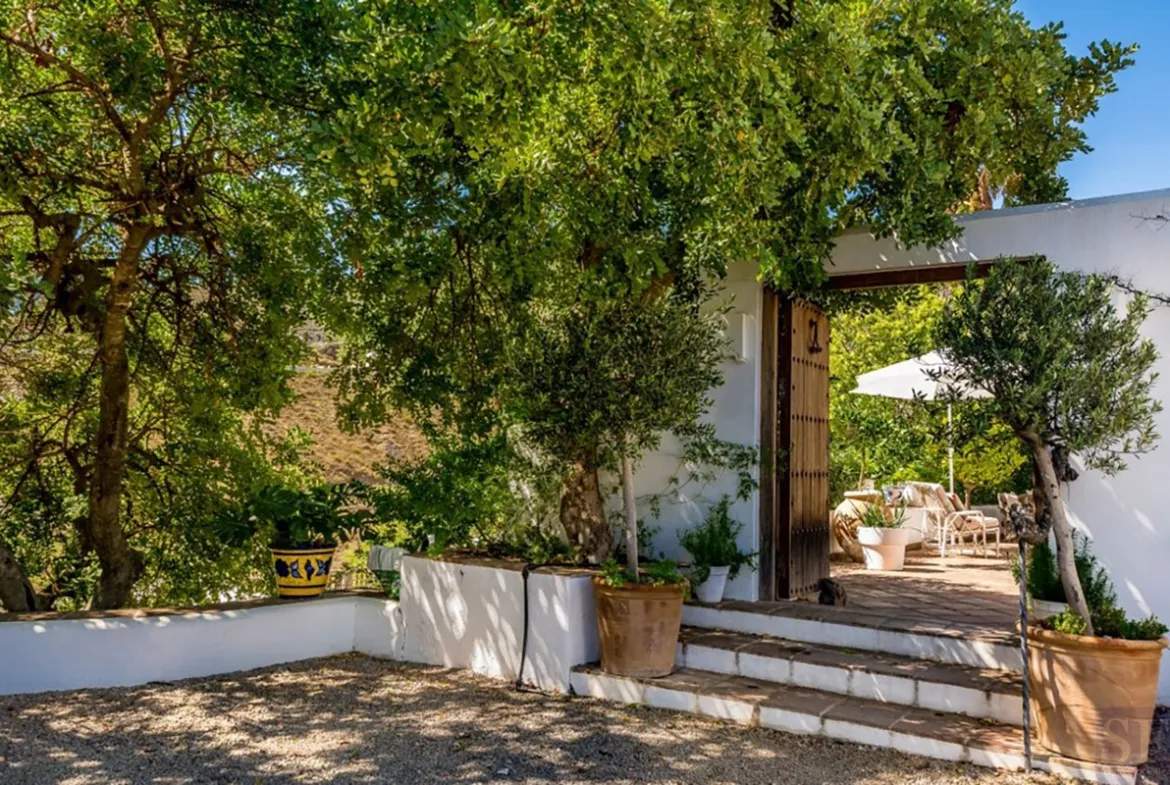
So, You Want to Build a Casa Rural in Spain? A Light-Hearted Reality Check
The dream is a potent one, isn't it? A sprawling finca nestled among olive groves in Andalucía. A stone-clad cottage looking out at the green hills of Galicia. You, a glass of something local in hand, watching the sunset from a terrace you built from scratch. It’s a beautiful vision. I've seen clients positively giddy with it.
And then comes the paperwork. Specifically, the Spanish planning permission, the infamous licencia de obras. This is where the romantic daydream often has a rather abrupt collision with bureaucratic reality. But don't despair. Getting permission to build your slice of paradise in the Spanish countryside is absolutely possible. It just requires a strategy, a dose of patience, and a healthy understanding of how things *really* work here.
The Single Most Important Thing: Land Classification
Before you even think about floorplans or infinity pools, you have to understand the land you want to build on. This isn't just important; it's everything. In Spain, land is generally classified into three main types:
- Suelo Urbano (Urban Land): This is land within a town or village's designated urban area. Getting permission here is relatively straightforward. But, you're not really in the 'countryside' anymore, are you?
- Suelo Urbanizable (Developable Land): This is land earmarked for future development. It's a possibility, but often involves big developers and complex, long-term plans. Probably not what you're looking for.
- Suelo Rústico (Rustic Land): Ah, here it is. The countryside. The dream location. It’s also the most complicated.
The common, and very costly, mistake is assuming you can buy a beautiful, cheap plot of suelo rústico and just build a house on it. Let me be clear: in most of Spain, you absolutely cannot. The default position for rustic land is that it is protected for agricultural, forestry, or environmental purposes. Building a new dwelling is the exception, not the rule. Getting this wrong is like showing up to a marathon in swimming trunks, it's just not going to work.
Your New Best Friend: The Local Architect
If you take one thing away from this, let it be this: hire a good, local architect (arquitecto) before you even buy the land. Do not, I repeat, do not try to navigate this yourself to save a few euros. It will only lead to pain.
Why a local one? Because while a star architect from Madrid or Barcelona may be brilliant, they likely won't know the specific local planning laws (the Plan General de Ordenación or PGOU) or, just as importantly, the unspoken preferences of the town hall (ayuntamiento) planning officer in a small village in Extremadura. Your architect is your guide, your translator, and your diplomat. They will conduct a preliminary check on a plot of land to see if a project is even feasible, saving you a world of trouble.
They will prepare the two crucial documents for your project:
1. The Basic Project (Proyecto Básico): This is the architectural overview. It shows the location, size, shape, and intended use of the building. This is what you submit to the town hall to get the actual planning license.
2. The Execution Project (Proyecto de Ejecución): This is the detailed blueprint. It includes everything from structural calculations to plumbing layouts. Your builder (constructor) needs this to actually build the house, and it's required to get the final sign-offs.
The Paperwork Gauntlet and the Virtue of Patience
The process itself appears somewhat logical on paper. It's the timeline and the potential for bureaucratic detours that can test your resolve. Broadly, it looks something like this: You find a potentially viable plot. Your architect confirms its potential. They draw up the Proyecto Básico. It gets submitted to the local Professional College of Architects for a check, and then it's off to the town hall.
And then you wait.
This waiting period can be anything from a few months to, in some notorious cases, well over a year or even two. The town hall's technical architect will review the plans against all local and regional regulations. Is the plot big enough? (Many regions have minimum plot sizes for a new build on rustic land, often 10,000 square meters or more). Does the design respect local aesthetics? (You might be required to use certain materials or colours). Does it serve a genuine need tied to the land, like a farmhouse for an active agricultural operation? Answering these questions is key.
An alternative perspective to consider is renovating an existing ruin. Sometimes, the planning rules for restoring a registered, pre-existing structure (even if it's just a pile of stones) on rustic land can be more lenient than for a completely new build. It presents its own challenges, of course, but it's an avenue that is often worth exploring. It appears to be a path that many town halls favour as it preserves the architectural heritage of the area.
It's a Marathon, Not a Sprint
Building a home in the Spanish countryside is a deeply rewarding experience. It's a project of passion. But it's essential to go in with your eyes wide open. The system is designed to protect the countryside from unchecked development, and while it can feel slow and cumbersome, that protection is probably why you fell in love with the landscape in the first place.
So, budget for professional help, embrace the slower pace of life from the very beginning of the process, and stay flexible. The journey may be long, but that first glass of wine on your very own Spanish terrace? I can tell you from experience, it tastes like victory.
Frequently Asked Questions
- What's the very first step I should take?
Before buying anything, engage a local architect to investigate the land's classification (suelo rústico, urbano, etc.) and the specific local planning rules (PGOU) at the town hall. This initial check is critical.
- Can I just build whatever I want on rustic land (suelo rústico)?
Almost certainly not. New builds on rustic land are highly restricted. Permission is usually tied to minimum plot sizes and often requires a link to an agricultural or forestry activity. Exceptions are rare.
- How long does it take to get planning permission?
Be prepared for a long wait. While it varies hugely, budgeting for 12 to 24 months from submitting the project to receiving the license is a realistic, if slightly pessimistic, timeframe.
- Do I really need an architect and a lawyer?
Yes. This is not a DIY project. An architect navigates the planning system, and a lawyer handles the legalities of the land purchase and contracts. They are essential investments.
- Is it easier to renovate an old ruin than to build new?
It can be. The planning process for renovating a registered ruin is often more straightforward than for a new build on the same rustic land. However, it comes with its own set of structural and technical challenges.
- What are the main documents involved?
The two key architectural documents are the Proyecto Básico (used to apply for the license) and the Proyecto de Ejecución (the detailed construction blueprints).