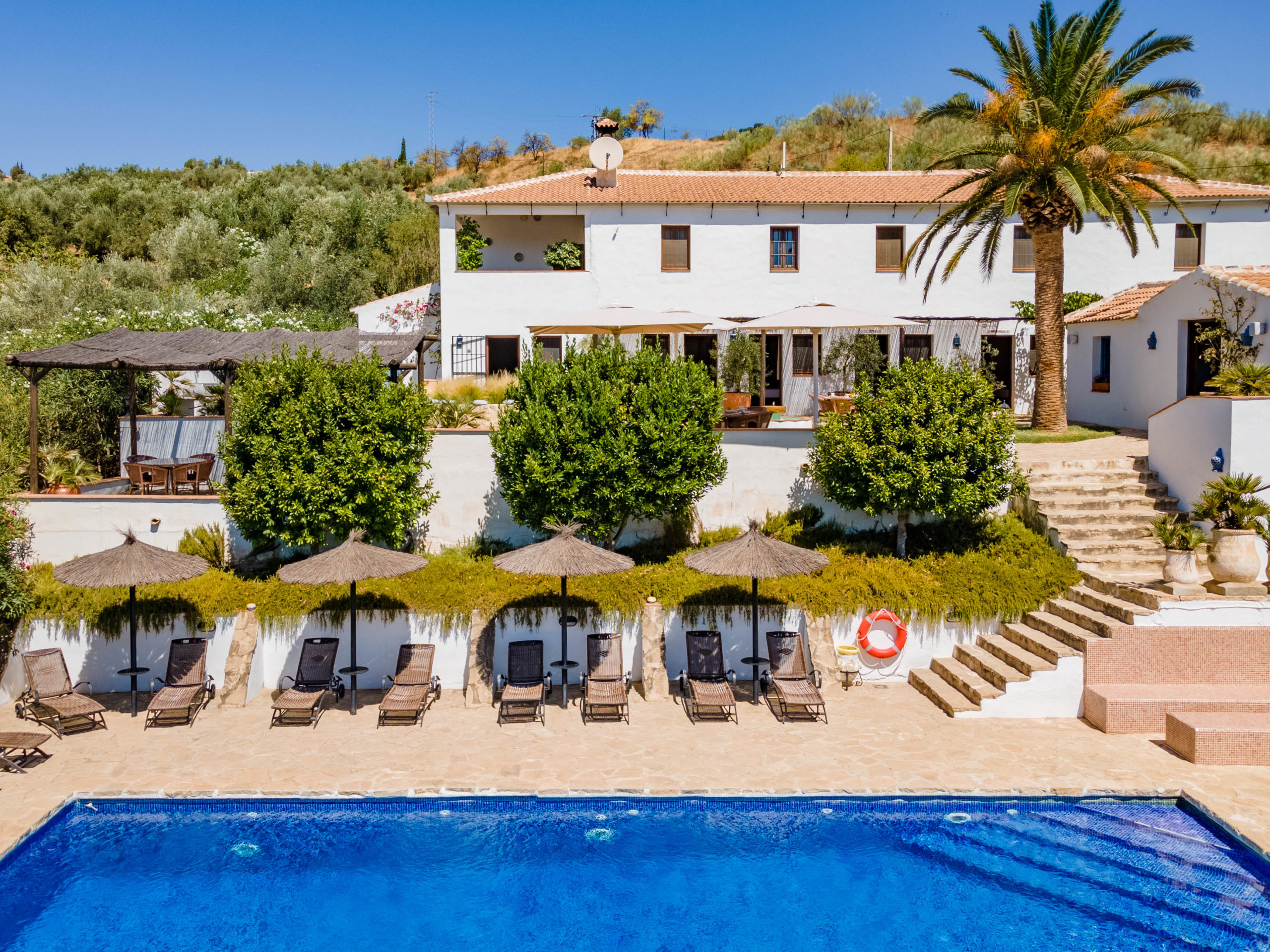
A detailed walkthrough of the Spanish property buying process designed for UK buyers aged 55-65, covering everything from initial property search to final completion, with emphasis on practical considerations, hidden costs, and legal requirements.
29th July 2025
Čas čítania: 7 m
Autor: Daniel Priestly
Your Journey to Spanish Property Ownership: A Practical Guide
Purchasing property in Spain represents more than just acquiring bricks and mortar. It's about embracing a lifestyle that many of us dream about during those grey February mornings back home. However, the process can feel overwhelming without proper guidance. This comprehensive guide walks you through each essential step, from initial considerations to collecting your keys, ensuring you approach your Spanish property purchase with confidence and realistic expectations.
Defining Your Property Vision and Long-term Needs
Before you start browsing glossy property websites, take a step back. The excitement of Spanish property hunting can cloud practical judgement, and I've seen too many buyers rush into decisions they later regret. Consider how you'll actually use this property in five or ten years' time. Will it remain a holiday retreat, or might circumstances lead you to spend more time there? Your health, mobility, and family situation may change significantly over the coming decade.
The location question appears straightforward but deserves careful thought. Coastal properties offer that postcard appeal, yet inland villages might provide better value and authentic Spanish culture. Urban areas bring convenience and healthcare access, whilst rural settings offer tranquillity and space. Each choice carries different implications for resale values, rental potential, and daily living costs. Similarly, the property type decision between apartments, townhouses, or detached villas affects not just your budget but ongoing maintenance responsibilities and community living arrangements.
Understanding the True Cost of Spanish Property Ownership
Many buyers focus solely on the purchase price, which can lead to unpleasant surprises later. The additional costs typically add 11-12% to your budget, with transfer tax accounting for roughly 8% of this total. Factor in notary fees, legal representation, and land registry costs as non-negotiable expenses. If you're considering a Spanish mortgage, expect opening costs around 1.5% of the loan amount.
Annual running costs deserve equal attention. Property tax (IBI) varies significantly between municipalities, whilst utility bills, community fees, and local taxes create ongoing financial commitments. These costs can be surprisingly high in some areas, particularly tourist zones where local councils levy additional charges. Insurance, both for the property and your contents, adds another layer of expense that many overlook during initial budgeting.
The Property Search and Selection Process
Online searches provide a useful starting point, yet they rarely tell the complete story. Property photographs can be misleading, and descriptions sometimes stretch the truth. Working with reputable local agents offers significant advantages, particularly their knowledge of upcoming developments, infrastructure changes, and local market conditions that might affect future values.
When you've identified potential properties, resist the urge to book viewings for everything that catches your eye. Quality trumps quantity in property viewings. A focused approach, examining perhaps three to five carefully selected properties, proves more effective than rushing through a dozen mediocre options. This allows proper consideration of each property's merits and drawbacks.
Making Your Spanish Property Visit Count
Your viewing trip requires careful planning. Arrange all viewings in advance, allowing adequate time between appointments. Spanish property owners and agents operate on a more relaxed schedule than you might expect, so build flexibility into your itinerary. Visit properties at different times of day if possible, as morning sunshine can hide issues that become apparent in afternoon light.
Pay attention to practical details during viewings. Check water pressure, examine electrical installations, and look for signs of damp or structural issues. Consider the property's position relative to noise sources, future development sites, and essential services. If you're seriously interested in a property, a second viewing is essential. This allows you to ask more detailed questions and assess whether your initial enthusiasm holds up to closer scrutiny.
Navigating Negotiations and Legal Requirements
Spanish property negotiations often involve cultural nuances that can trip up foreign buyers. Price discussions may take longer than expected, and sellers sometimes attach significant importance to terms beyond just the purchase price. Quick completion might persuade a seller to accept a lower offer, whilst flexible moving dates could strengthen your negotiating position.
Legal representation becomes crucial at this stage. Spanish notaries don't research property title or outstanding debts, making independent legal advice essential. A qualified Spanish solicitor can identify potential problems before they become expensive headaches. They'll verify ownership, check for outstanding debts, confirm planning permissions, and ensure all necessary licences are in place.
Essential Documentation and Banking Arrangements
Your NIE number (Número de Identificación de Extranjero) is fundamental to Spanish property ownership. This tax identification number is required for property purchases, mortgage applications, utility contracts, and virtually any significant financial transaction in Spain. The application process requires a personal visit to the Policía Nacional office, so factor this into your timeline.
Opening a Spanish bank account simplifies the entire process, from paying deposits to setting up direct debits for ongoing expenses. Many banks offer packages specifically designed for foreign property buyers, though terms and conditions vary significantly between institutions. Shop around for the most favourable arrangements, particularly if you're considering a Spanish mortgage.
The Reservation and Contract Process
Once you've agreed on price and terms, the reservation agreement formalises your intention to purchase. This document removes the property from the market and commits both parties to the agreed terms. The reservation fee, typically €3,000-€6,000, demonstrates your serious intent whilst providing a brief cooling-off period for final legal checks.
The private purchase contract follows within 2-3 weeks, requiring a deposit of around 10% of the purchase price. This stage marks the point of no return for both parties. Withdrawal by either party results in significant financial penalties, so ensure you're completely satisfied with all terms before signing. Your solicitor should thoroughly review all documentation and confirm that outstanding property-related debts have been cleared.
Completion and Taking Ownership
Property transfer occurs at the notary's office, where the final balance is paid and the title deed (Escritura Pública de Compraventa) is signed. For resale properties, this typically happens 2-3 months after reservation, whilst new builds depend on construction schedules. You'll receive a simplified copy immediately, with the official registered version following several weeks later.
If you've arranged a Spanish mortgage, the process becomes slightly more complex, with bank representatives present at the signing. The mortgage deed (Escritura de Hipoteca) creates a separate legal document outlining the lending terms and security arrangements. Ensure all parties understand their obligations before proceeding to signature.
Frequently Asked Questions
Can I buy Spanish property without speaking Spanish? Absolutely, though having professional translation for legal documents is essential. Many agents and lawyers in popular expat areas speak English fluently.
How long does the buying process typically take? From initial reservation to completion usually takes 2-4 months for resale properties, longer for new builds depending on construction progress.
What happens if the seller withdraws after I've paid a deposit? Spanish law requires the seller to pay double the deposit amount if they withdraw without valid reason after signing the private purchase contract.
Do I need Spanish residency to buy property? No, but you'll need an NIE number for the purchase process and ongoing property ownership obligations.
Are property surveys common in Spain? Unlike the UK, structural surveys aren't standard practice, making thorough legal checks and careful personal inspection even more important.
What ongoing costs should I budget for? Annual property tax, community fees (if applicable), insurance, utilities, and maintenance typically cost 1-3% of property value per year.
This article provides general guidance for informational purposes. As a real estate agent, we cannot provide legal or financial advice. Always consult qualified Spanish legal and financial professionals before making property purchase decisions.
Viac od Nestino Costa
Súvisiace články a postrehy
Pokračujte vo svojej ceste do sveta luxusných nehnuteľností s naším výberom súvisiacich článkov..
Getting Planning Permission for Your Dream Country House in Andalucía - deep dive
And Then There Are the Taxes... (Why Did I Even Look This Up?)