Have you ever felt like you’re watching your own life from the passenger seat? For years, that was us. John and Sarah. Our days in Chicago were a blur of synchronised calendars, rushed commutes, and meals eaten while scrolling through emails. Life was a well-oiled machine, efficient and productive, but it seemed to be producing little more than the need for more efficiency. We were caught in a current, moving faster and faster towards a destination we couldn't quite remember choosing. Spain wasn’t a plan; it was a whisper, a half-remembered dream of sun-drenched plazas and a gentler way of being. We just never imagined we’d answer its call.
The Holiday That Changed Everything
It started with a two-week holiday to Andalusia, a lifeline thrown to us by our own exhausted hands. We landed in Seville expecting a simple break, a temporary pause. What we found was a fundamental shift in the rhythm of life. The first thing that struck us wasn’t the stunning architecture or the vibrant flamenco shows; it was the sound. The city didn't hum with the anxious energy of a deadline; it buzzed with the gentle murmur of conversation. People weren't hurrying from one place to another. They were strolling, stopping to greet neighbours, lingering over a small glass of beer at a pavement cafe at eleven in the morning. It felt almost rebellious.
Our meticulously planned itinerary, packed with museums and landmarks, began to feel absurd. On our third day, we missed a timed entry to the Alcázar because we got caught up in a conversation with a shopkeeper about the local honey. The old John would have been frustrated, stressed about the wasted ticket. But standing there, under the shade of an orange tree, I felt a strange sense of relief. We bought the honey, found a bench in a quiet square, and just sat. We watched the world go by, not as tourists ticking off a list, but as participants in the simple act of living. That evening, we discovered the ‘sobremesa’ – the art of lingering at the table long after the meal is over. In America, the end of a meal is a signal to move on. Here, it was an invitation to connect, to let conversation ebb and flow without a clock-watching agenda. It was a revelation.
From ‘What If’ to ‘Why Not?’
The thought began as a joke. "Imagine if we just stayed," Sarah said one afternoon, her feet dangling in a cool fountain. But the joke didn't fade. It took root. The idea of returning to our life of back-to-back meetings and microwave dinners started to feel less like returning home and more like entering a cage. The Spanish pace of life wasn't about being lazy; it appeared to be about being intentional. It was a conscious choice to prioritise human connection over productivity, well-being over wealth. This shift in perspective was profound. It offered a sense of autonomy we hadn't realised we’d lost, the freedom to define our own days.
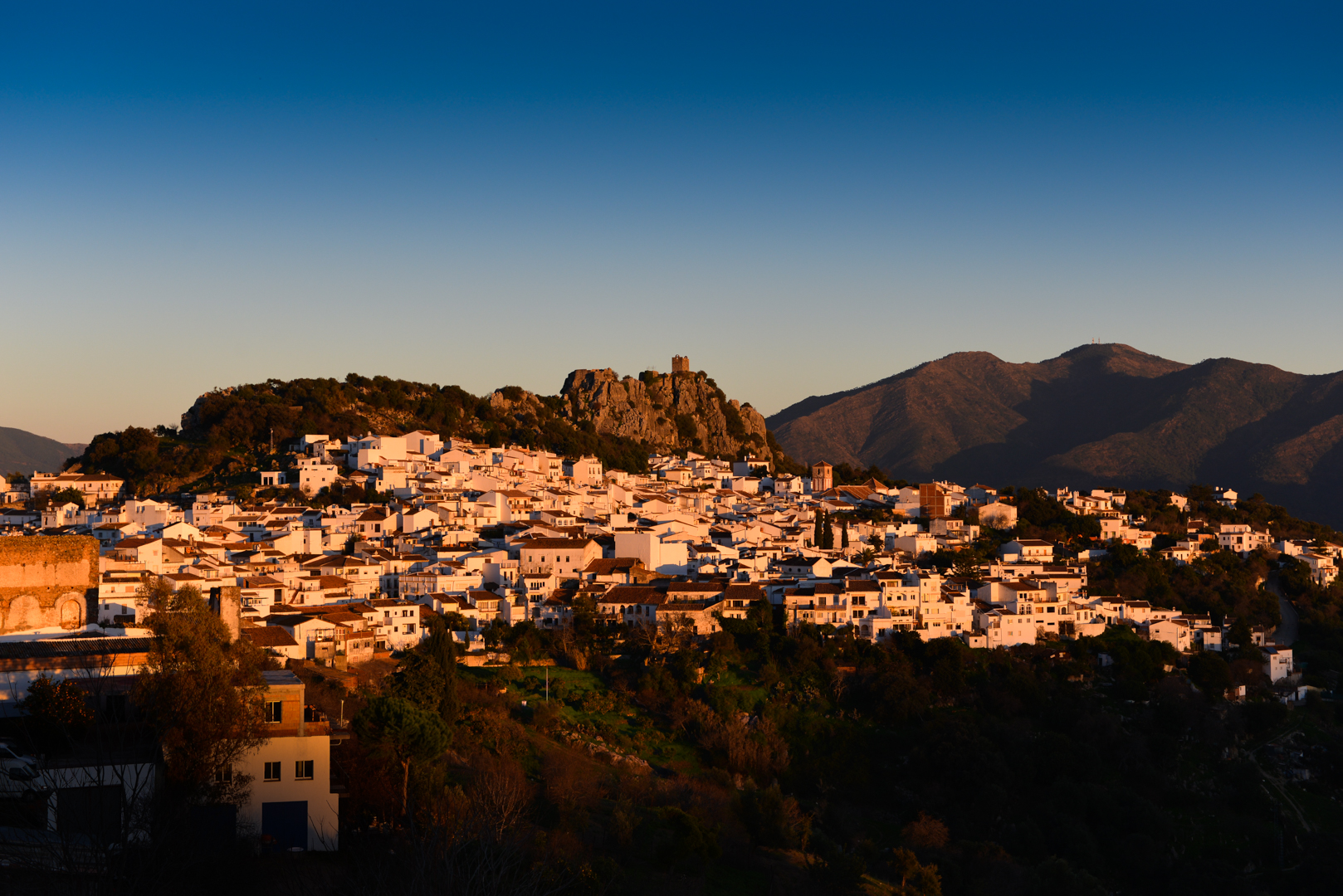
Back in Chicago, the contrast was jarring. The relentless pace felt artificial, unnecessary. The whisper of Spain grew louder. We spent months researching, talking, dreaming. We weren't chasing an escape from reality; we were chasing a different, more authentic reality. A year later, we sold our house, packed what mattered, and bought a small whitewashed 'casa de pueblo' in a village outside of Ronda. Our friends thought we were mad. Perhaps we were, but it was the most sane decision we’d ever made.
A Tale of Two Timetables: US vs. Spain
The Chicago Hustle
- 6:00 AM: Alarm, gym, coffee on-the-go.
- 8:00 AM - 12:00 PM: Work, back-to-back meetings.
- 12:30 PM: Sad desk lunch.
- 1:00 PM - 6:00 PM: More work, mounting pressure.
- 8:00 PM: Late dinner, emails, crash.
The Andalusian Rhythm
- 8:00 AM: Wake with the sun, coffee at a local cafe.
- 10:00 AM: Stroll to the market for fresh produce.
- 2:00 PM: Long, leisurely lunch (the main meal).
- 4:00 PM: Siesta or quiet time.
- 8:00 PM: Evening 'paseo' (walk), tapas with friends.
A New Definition of a 'Full' Day
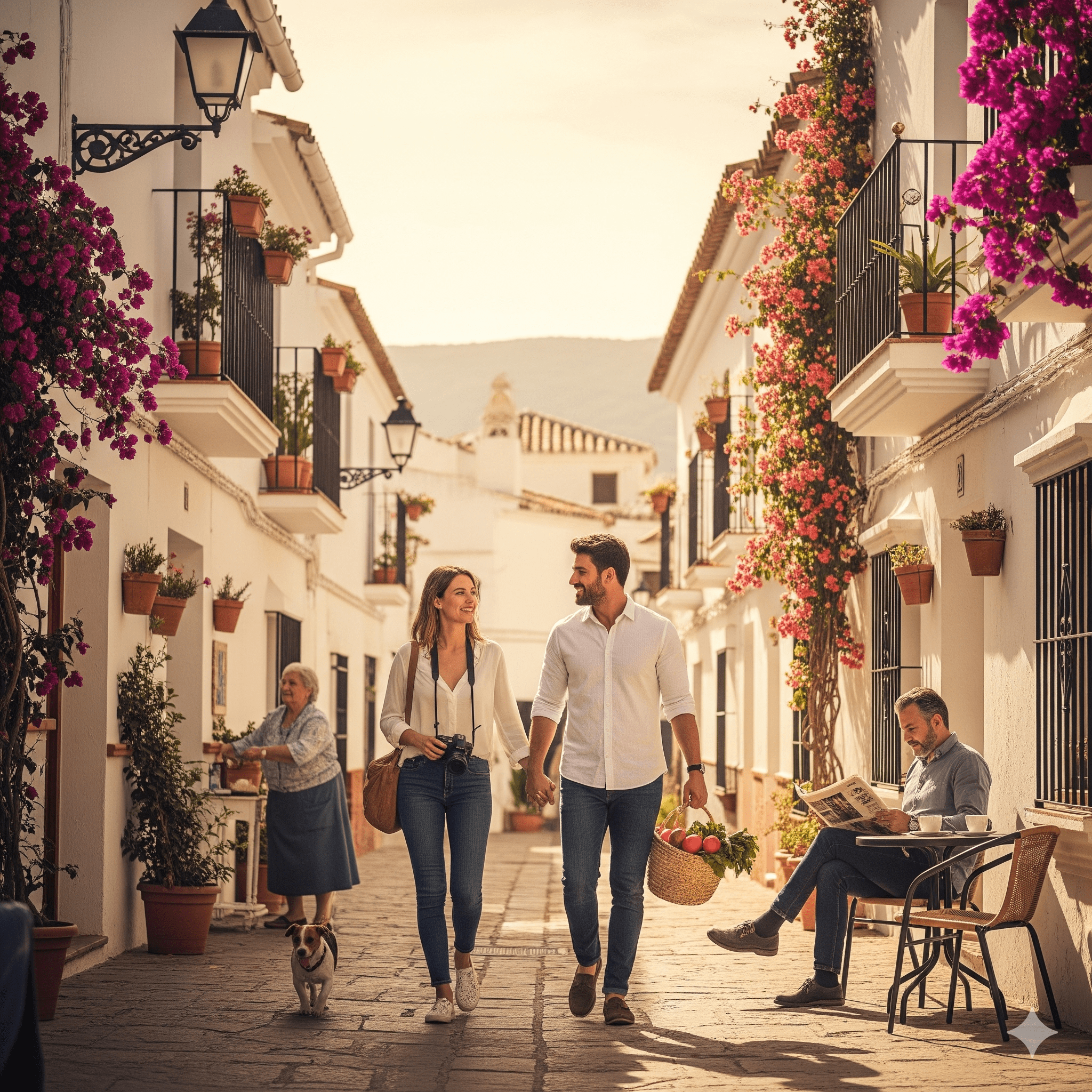
Our lives now are unrecognisable. My morning 'commute' is a five-minute walk to the local bakery for fresh bread. The air smells of jasmine and woodsmoke, not diesel fumes. The most important appointment in my diary is having coffee with our neighbour, Ricardo. Sarah has taken up painting, something she hadn't done since university. Our days are full, but not busy. They are filled with purpose that doesn't come from a payslip, but from tending to our small garden, learning Spanish from the local children, and discovering hidden hiking trails.
We’ve learned that ‘mañana’ doesn’t mean a lazy ‘tomorrow’. It means ‘not today’. It’s an acknowledgement that not everything is urgent. It’s the permission to finish a conversation, to watch a sunset, to savour a meal. It’s a concept built on the certainty that the task will be there later, but the moment, this very moment, will not. This lifestyle has fostered a deep sense of relatedness, not just with each other, but with our entire community. We are no longer just John and Sarah, the retirees from America; we are ‘los pintores’, ‘los jardineros’, part of the village fabric.
The Spanish Lexicon of a Slower Life
Sobremesa
The art of relaxing at the table after a meal. It's not about the food; it's about the conversation and connection that follows.
Paseo
A slow, leisurely evening walk, usually before dinner. A time to see and be seen, to greet neighbours and enjoy the cool air.
Siesta
More than just a nap. It's a pause, a punctuation mark in the day that allows for rest and recharging, especially in the summer heat.
Conclusion: Your Own 'Mañana' Awaits
Trading the American pace for the Spanish rhythm wasn't about giving up; it was about gaining. We gained time, not to do more, but to be more. We gained a community that measures wealth in laughter and shared meals. We gained a connection to the seasons, to the earth, and most importantly, to ourselves. Moving to Spain for our retirement was the closing of one chapter and the beginning of a story we are now writing ourselves, one unhurried, beautiful day at a time. If you feel the pull of a different current, a gentler tide, perhaps it's time to listen. Your own version of 'mañana' might be waiting for you, not tomorrow, but right now.
Frequently Asked Questions
- Is it difficult to adapt to the slower pace of life?
It can be at first. The biggest challenge is unlearning the feeling of 'guilt' for not being 'productive' in a conventional sense. It takes a conscious effort to embrace relaxation and spontaneity, but it quickly becomes a natural and much healthier rhythm.
- Do you need to be fluent in Spanish?
While you can get by with English in major tourist areas, life in a smaller town is infinitely richer if you learn the language. Making an effort is deeply appreciated and is the key to true integration and forming genuine friendships with your neighbours.
- What is the biggest misconception about life in Spain?
That 'mañana' means laziness. It's really about prioritisation. Spanish culture often prioritises family, well-being, and social connection over strict deadlines. It's a different value system, not a lack of work ethic.
- How did you find your community?
By participating. We shop at the local markets, drink coffee at the village cafe, and attend local fiestas. Simply being present, open, and making an effort with the language has allowed us to build wonderful, authentic relationships.
Disclaimer: This article is for informational and inspirational purposes only and represents a personal story. It is not intended as legal or financial advice. We are a real estate agent, and we strongly recommend consulting with qualified legal and financial professionals before making any decisions about moving to or purchasing property in Spain.
Cited Sources & Further Reading: